
Mexico

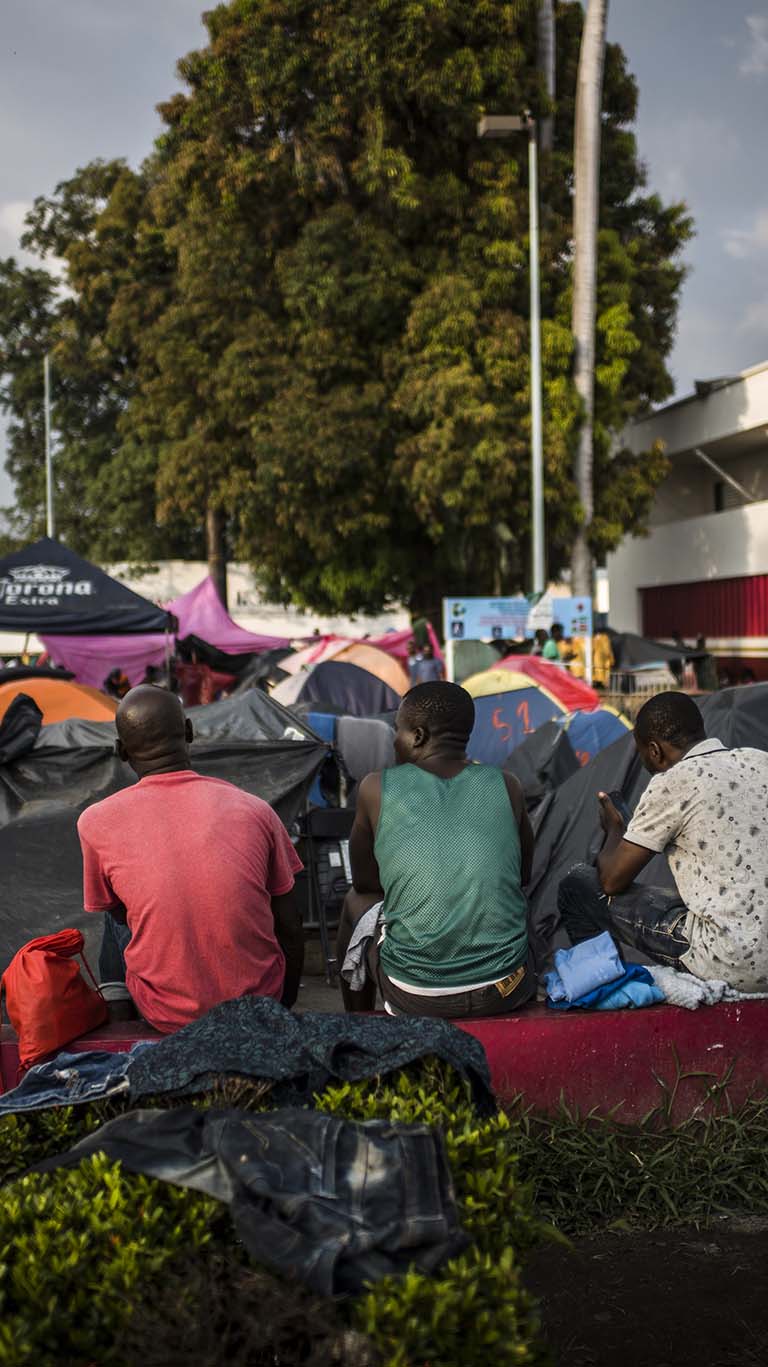
© Olivier Papegnies

6,837 women

murdered in Mexico in 2024

400,000  

internally displaced people

925,000  

migrants arrested in 2024 while transiting through Mexico

Médecins du Monde’s emergency response includes a range of humanitarian assistance programmes. Find out more below about our work in Mexico.

THE HUMANITARIAN EMERGENCY IN MEXICO

The migration crisis, the appalling migrant reception conditions and the very high levels of gender-based violence in Mexico demand humanitarian action on a large scale.
  • INSECURITY INTENSIFIES MIGRANTS’ PLIGHT

    Central America is considered to be the land corridor with the largest constant flow of migrants in transit anywhere in the world.

    Migration in Mexico presents a complex picture, with emigration, immigration and transit flows. Extensive violence and impunity in the country has compounded this situation with the addition of internal population movements. The number of internally displaced people in Mexico is currently around 400,000, while the country is host to around 600,000 people from other countries, most of whom are in transit to the United States.

    During their journeys, people suffer accidents and injuries, are exposed to extortion or forced recruitment by armed groups and drug traffickers, suffer sexual violence or disappear and become separated from their families. It is estimated that 78% of migrants were affected by such ordeals in 2024.

    Children are exposed to the risk of sexual abuse, recruitment by gangs and violence. Women are vulnerable targets for criminal gangs involved in human trafficking.

    In addition, when migrants try to access healthcare they encounter administrative obstacles and numerous other barriers. Services in the border towns are limited and those that do exist are overwhelmed.

  • RISING GENDER-BASED SEXUAL VIOLENCE

    Gender-based violence against women and girls is very widespread in Mexico. In 2024, a total of 6,837 women were murdered in the country, equivalent to 18 per day. However, only 839 of these murders were recorded as femicides. 2024 also saw a rise in sexual offences against girls and young women, as well as in domestic violence and human trafficking. Furthermore, the country has one of the highest teenage pregnancy rates in the OECD countries.

    Sexual and reproductive health needs are especially high among female migrants, whether in their countries of origin, during their migration journey or while they are in Mexico. They have specific healthcare needs linked to violence, gender-based sexual violence, unintended pregnancy, sexually transmitted infections (STIs) and maternal healthcare.

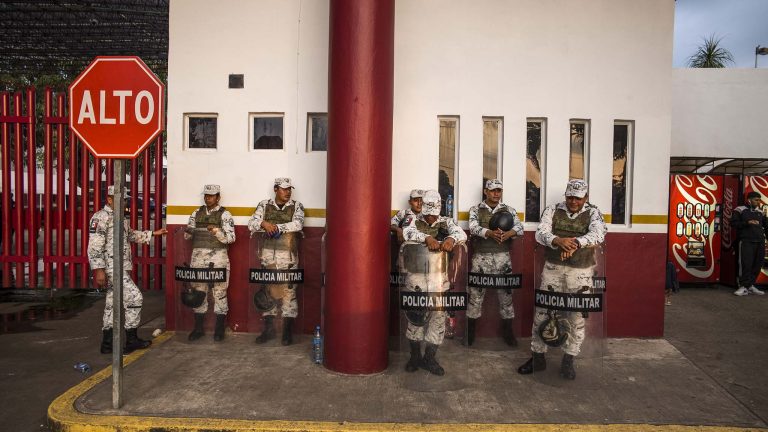
Equipe de police à côté d'un camp de migrants au Mexique © Olivier Papegnies

© Olivier Papegnies

A police squad in Tapachula, Mexico

OUR HUMANITARIAN WORK IN MEXICO

Médecins du Monde has been working in Mexico since 2016 with the aim of ensuring access to healthcare and protection for migrants and internally displaced people. The work is centred on three main elements – supporting public institutions, strengthening advocacy and providing medical aid.

  • SUPPORTING LOCAL ACTORS

    The Médecins du Monde teams arrange training for local organisations, health centres and hospital staff and, more broadly, for public employees who have contact with survivors of gender-based violence.

    We are seeking to encourage participation by these institutions in public policy development and to improve the provision of psychosocial support for the groups affected.

  • CHANGING PUBLIC POLICY

    Médecins du Monde works with the public authorities to tailor healthcare services to meet the needs of migrant communities, guarantee access to public health services for undocumented migrants and ensure access to safe abortion services for all women, including migrants.

    In addition, our work in Mexico is part of a long-term regional advocacy strategy implemented with Médecins du Monde Spain and Switzerland. The aims of this strategy are to guarantee access to healthcare and protection throughout the migration journey, promote the right to life without violence, improve primary healthcare and respond effectively to emergencies and humanitarian crises.

  • REDUCING BARRIERS TO ACCESS TO HEALTHCARE FOR MIGRANT POPULATIONS

    Médecins du Monde has two mobile teams which are located on the southern border with Guatemala (in Tapachula) and on the northern border with the United States (in Ciudad Juarez). We offer primary healthcare and sexual and reproductive healthcare in shelters that provide lodging for hundreds of migrants, as well as in asylum seeker accommodation and on the street.

    We also provide health promotion sessions. We educate migrants about health issues and help them to empower themselves, for instance by explaining how they can access public health services and what to do if they are refused access to these services.

    Médecins du Monde also works closely with a range of partners, for example by providing donations of medicines to migrant shelters, by referring patients to specialist mental health organisations or by coordinating our activities with the public authorities and United Nations agencies.

  • ADDRESSING GENDER-BASED VIOLENCE

    Since 2020, Médecins du Monde has been working to improve access to healthcare for survivors of gender-based violence from migrant communities. We have been part of the Feminist Opportunities Now (FON) programme since 2023 which seeks to tackle gender-based violence by providing funding and building the capacity of feminist organisations and movements in Mexico and Colombia.

    By late 2024, a strong Latin American network had already been established, with 35 feminist organisations taking part in the project.

    The project has reached 57 organisations with various capacity-building measures and 34 organisations have taken part in national and international advocacy forums.

  • 6,024

    beneficiaries in 2024

6,024

beneficiaries in 2024

Timeline
  • 1998
    Programme on access to healthcare for the indigenous communities of Los Altos de Chiapas, Mexico.
  • 2004
    Emergency intervention following Hurricane Stan, Mexico.
  • 2007
    Emergency intervention for victims of flooding in Tabasco, Mexico.
  • 2011
    Launch of a programme on access to healthcare for migrant sex workers and domestic workers, Mexico.
  • 2016
    Opening of a regional programme to improve access to healthcare for migrants and people who have been expelled, El Salvador – Guatemala – Honduras – Mexico.
  • 2020
    Distribution of protective equipment and awareness-raising about protection measures to slow the spread of Covid-19.